Table of Contents
What Is Online Therapy?
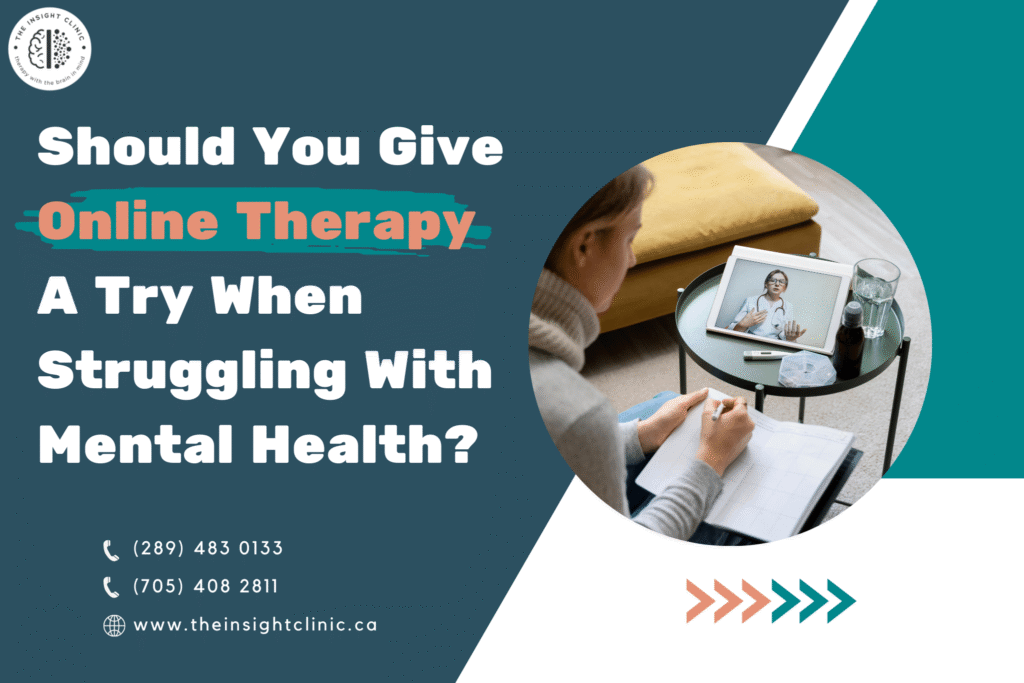
Psychotherapy or counselling services provided via the internet are referred to as online therapy. Online therapy, as opposed to in-person therapy, enables you to communicate with a certified counsellor or therapist via any internet-connected device, such a computer, tablet, or smartphone.
Teletherapy and e-therapy are other words that are frequently used synonymously with online therapy.
Pros of Online Therapy
There are many reasons people opt for online therapy over in-person therapy. The following are some of the biggest advantages of online therapy.
Online Therapy May Be as Effective
According to research, online treatment for a range of mental health issues can be just as successful as in-person therapy.
Online cognitive behavioral therapy (CBT) was shown to be equally beneficial as in-person treatment in treating mild depression, according to a review of the literature. According to another research, online cognitive behavioural therapy (CBT) for panic disorder, social anxiety disorder, and generalised anxiety disorder was just as successful as in-person treatment. It has also been demonstrated that using online treatment can help reduce compulsive gambling tendencies.
Good Option for Remote Areas
People who live in remote or rural places can receive mental health care through online therapy. Because there are few or no mental health practices in their region, people who reside in rural locations may not have access to any other type of mental health therapy.
For those in need of assistance, having to make lengthy trips and sacrifice a sizable amount of their hectic schedules in order to attend in-person treatment sessions can be difficult. Online therapy provides you with reasonably rapid and simple access to treatment that would not have been easily available to you otherwise, provided you have dependable internet connectivity.
Accessibility for People With Physical Limitations
For those who are confined to their homes or who are disabled, online treatment offers accessibility. When it comes to getting mental health care, mobility can be a major problem. For example, a therapist working from home might not be equipped to serve people of various skill levels.
Convenience and Affordability
Online counselling is typically convenient and reasonably priced. You can usually arrange your treatment sessions during times that work best for you because you will be attending them online from the comfort of your home.
Insurance companies are now required by law in several areas to pay for internet counselling in the same way that they would for in-person sessions. To find out more about how your coverage will cover e-therapy treatments, get in touch with your insurance provider.
Online-only therapists probably spend less on overhead expenses like office space rental. For people without health insurance, online therapists can therefore frequently provide reasonably priced therapy alternatives.
Treatment Can Be More Approachable
The internet increases accessibility to mental health services. While discussing physical health care issues with friends and family might be pleasant, addressing equally critical mental health issues with them may not elicit the same feelings. It is easier to transcend the stigma that has historically been associated with mental health disorders when one has access to the internet.
One useful approach for educating people about mental health is teletherapy. Online therapy can help you develop psychological strength even if you believe your mental health is strong. You can gain additional knowledge about healthy habits and coping mechanisms that promote improved mental well-being.
Frequently provide accessible treatment choices at a reasonable cost to individuals without health insurance.
Struggling to Stay Focused?
This quick tool can help you explore attention patterns and understand whether ADHD traits may be present.
Cons of Online Therapy
Online therapy does have significant dangers and disadvantages compared to traditional therapy methods, even while it has the potential to be highly useful for some people in particular situations.
Insurance Companies May Not Cover It
Your state of residence and the type of insurance you have will determine whether or not you are covered for e-therapy. internet mental health providers may not take insurance as payment, and certain insurance policies do not cover internet therapy. The cost of paying out of pocket for psychotherapy sessions may mount up rapidly.
Some States Don’t Allow Out-of-State Providers
Psychologists from outside the state are not permitted to practice in several states. In certain circumstances, your provider would require a license from both your home state and their home state.
For a certain period of time, several states let psychologists to offer mental health treatments outside of their jurisdiction. Usually, only 10 to 30 days are included in this every year.
Confidentiality, Privacy, and Unreliable Technology
Psychotherapy takes privacy of personal information very seriously, but receiving treatment online introduces another level of difficulty. In internet therapy as well as more conventional types of treatment delivery, confidentiality is crucial.
Information is being transferred online, which increases the risk of privacy breaches and attacks. It may also be challenging to get therapy when you actually need it due to technological issues.
Lack of Response to Crisis Situations
It might be challenging for internet therapists to react swiftly and efficiently in times of crisis since they are physically separated from their clients.
In situations where a client is contemplating suicide or has experienced a personal catastrophe, the therapist may find it challenging or even impossible to offer immediate aid.
Not Appropriate for Serious Psychiatric Illnesses
While e-therapy has its uses, it is not appropriate for those who need in-person interaction or close, targeted treatment.
Web therapy might not be advised unless your plan also includes additional in-person therapies or treatments if you have a significant addiction or more severe or complex symptoms of a mental health issue. Online therapy may not be useful in more complex scenarios due to its restricted scope.
Overlooks Body Language
Your therapists cannot read your body language, voice cues, or facial emotions if you are receiving treatment by text. These cues can frequently provide the therapist with a more comprehensive understanding of your emotions, thoughts, moods, and behaviors.
While video chats and voice-over-the-internet technologies can give a more detailed view of the issue, they sometimes fall short of the warmth and complexity that in-person encounters can bring.
Ethical and Legal Concerns
Geographical limitations are eliminated in online treatment, which makes it challenging to uphold moral and legal standards. While there are differences in many jurisdictions regarding treatment protocols and licensing requirements, therapists can treat clients from anywhere in the world. Before starting therapy, it’s critical to ascertain the credentials and experience of your therapist.
Parting Words From The Insight Clinic
Online therapy can be an effective and convenient way to access mental health services. But that doesn’t mean that it is right for everyone. Whether or not online therapy may be appropriate for you depends on your condition and the severity of your symptoms.If you are interested in trying online therapy, You have come the Best possible place. Reach out to us through our website and be Don’t be afraid to ask questions.

Clinical Review by Gretchen Savery
Gretchen Savery, Registered Psychotherapist (Qualifying), supports The Insight Clinic’s blog review and approval process by helping ensure content is accurate, thoughtful, and aligned with professional standards, including CRPO expectations around ethical communication, client confidentiality, and responsible mental health education. Her role helps strengthen the quality, clarity, and trustworthiness of the clinic’s educational resources.

Blog Writer Bio — Dr. Betsy Bautista
Dr. Betsy Bautista is an experienced medical doctor and mental health counsellor contributing educational content for The Insight Clinic. With a strong background in supporting adults and seniors, she brings clinical insight, compassion, and a deep understanding of emotional health, aging, grief, chronic illness, family relationships, anxiety, depression, and life transitions. Her writing helps make complex mental health topics easier to understand while supporting The Insight Clinic’s commitment to thoughtful, accessible, and evidence-informed education.