
Art Therapy Programs for
Seniors and Autistic Young Adults in Ontario
Creative support for self-expression, emotional wellness, connection, and community
At The Insight Clinic, our art therapy and therapeutic art programs offer a gentle, structured, and meaningful way to support emotional wellness through creativity.
These programs are designed for people who may benefit from support but do not always want to begin with traditional talk therapy. Through art-making, reflection, and guided group connection, participants are invited to explore emotions, identity, life experiences, self-care, and belonging in a supportive therapeutic environment.
Our current art therapy streams include:
Planting Seeds of Self-Care Through the Arts
Neuro-Affirming Zine-Making Group for Autistic Young Adults
No art experience is required. The focus is not on making “perfect” art. The focus is on expression, connection, reflection, and wellness.
Why Choose an Art Therapy Program?
- Reduce isolation and feel more connected
- Explore emotions in a safe and creative way
- Build mindfulness and grounding skills
- Strengthen confidence and self-expression
- Reflect on identity, life experiences, strengths, and values
- Participate in a supportive group without pressure to perform
- Develop creative tools for self-care
- Feel seen, heard, and respected
- Program Stream A
Art Therapy for
Autistic Young Adults
Neuro-Affirming Zine-Making Group for Autistic and Neurodivergent Young Adults
This creative group is designed for autistic and neurodivergent young adults who want a supportive space to explore identity, care, community, self-expression, and belonging through zine-making.
A zine is a small self-published booklet or creative publication. In this group, zine-making becomes a flexible and expressive way to explore lived experience, strengths, values, sensory needs, boundaries, community care, and personal storytelling.
The program is inspired by neurodiversity-affirming approaches that challenge deficit-based views of autism and support more respectful, non-pathologizing ways of understanding autistic experience. The Re•Storying Autism resource specifically centres affirming approaches and challenges deficit perspectives.

Who This Autistic Young Adults Group Is For
- Autistic, neurodivergent, diagnosed, self-identified, or exploring identity
- Interested in creative self-expression
- Looking for a supportive peer space
- Experiencing loneliness, masking fatigue, anxiety, overwhelm, or burnout
- Interested in zine-making, collage, writing, drawing, or mixed media
- Wanting to explore identity, care, boundaries, self-advocacy, and community
- More comfortable with creative expression than traditional talk-based groups
A Neuro-Affirming Approach
- Different communication styles
- Sensory needs
- Stimming and movement
- Choice and consent
- Flexible participation
- Reduced pressure to verbally share
- Identity exploration
- Peer connection
- Creative autonomy
What Participants Can Expect
- A predictable group structure
- Gentle check-in
- Optional creative prompts
- Zine-making, collage, drawing, writing, image-making, or mixed media
- Individual creative time
- Optional sharing
- Reflection on care, identity, community, and self-advocacy
Program Themes May Include
- Re-storying autism and identity
- Care, rest, and nervous system support
- Sensory needs and self-advocacy
- Masking, burnout, and boundaries
- Community, belonging, and friendship
- Strengths, special interests, and joy
- Creating a personal or collaborative zine
- Optional final sharing or private reflection
Program Goals for Autistic Young Adults
Feel more connected to peers
Explore identity in a non-pathologizing way
Build confidence in self-expression
Reflect on sensory and emotional needs
Practice self-advocacy and boundary awareness
Develop a creative self-care tool
Experience group belonging without pressure to perform socially
Create a personal or collaborative zine
- Program Stream B
Art Therapy For Seniors
Planting Seeds of Self-Care Through the Arts
A therapeutic art-based group for seniors and older adults who want to explore mindfulness, emotional awareness, self-expression, and connection through creative invitations.
This program is designed to be gentle, accessible, and meaningful. It can be offered in-clinic, in-home, in senior residences, retirement homes, long-term care communities, rehabilitation programs, and community settings.
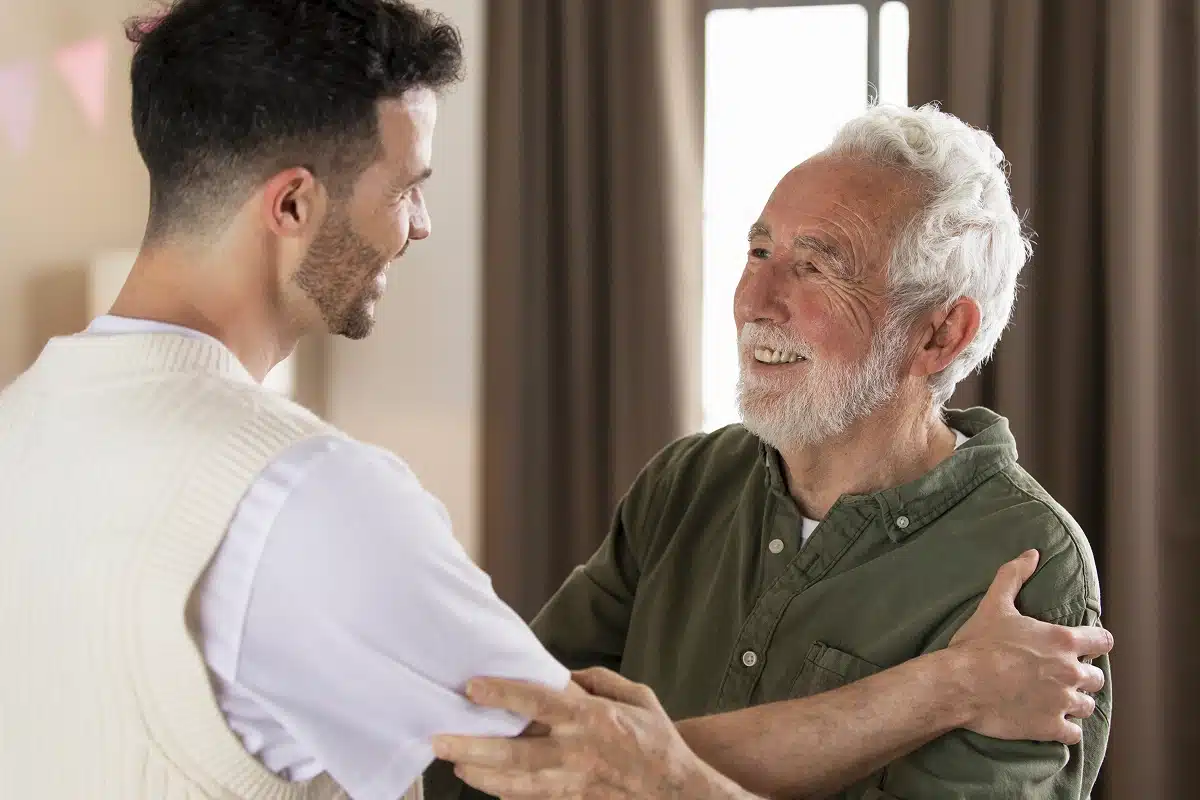
Who This Seniors Art Therapy Program Is For
This group may be a good fit for seniors or older adults who are:
- Experiencing loneliness, isolation, grief, stress, anxiety, or low mood
- Adjusting to aging, retirement, health changes, loss, or life transitions
- Looking for meaningful social connection
- Interested in creative self-expression
- Living in a retirement home, long-term care setting, or community residence
- Seeking a gentle, structured wellness activity
- Interested in mindfulness, reflection, storytelling, and art-making
What Participants Can Expect
Possible art invitations may include:
- Mindfulness-based drawing or painting
- Symbolic seed planting and growth imagery
- Collage for memory, identity, and life reflection
- Watercolour or soft materials for calming and grounding
- Creative mapping of support systems
- Nature-inspired self-care art
- Group reflection and gentle discussion
Program Goals For Seniors
By the end of the group, participants may experience:
Increased emotional awareness
Greater sense of connection and belonging
Improved confidence in self-expression
More access to creative self-care tools
Opportunities for life review and meaning-making
Reduced sense of isolation
Gentle mindfulness and grounding practice
Gentle mindfulness and grounding practice
Seniors Program Options
In-Clinic Group
Best for seniors who can attend The Insight Clinic or a partner location and would benefit from a structured therapeutic group.
-
Suggested format:
60–90 minutes per session -
Best for:
Emotional wellness, self-expression, connection, therapeutic support
In-Home or Residence-Based Group
Best for retirement homes, senior residences, long-term care communities, or community organizations.
-
Suggested format:
30–60 minutes per session -
Best for:
Accessibility, social engagement, creative wellness, community connection
Community Partner Program
Best for agencies, rehabilitation programs, senior centres, and wellness organizations.
-
Suggested format:
Customizable -
Best for:
Group wellness programming, caregiver-supported models, community mental health initiatives
What Makes This Program Different?

1. It is therapeutic, not just recreational

2. No art skill is required

3. It is designed for real emotional needs
The seniors stream supports connection, aging, grief, identity, memory, self-care, and emotional wellness.

4. It can be adapted to different settings
Programs may be offered at The Insight Clinic, in partner organizations, community spaces, senior residences, rehabilitation settings, or other approved locations.

5. It is backed by a mental health clinic
Who Can Refer?
- Families and caregivers
- Seniors and older adults
- Autistic young adults
- Parents of neurodivergent young adults
- Retirement homes
- Long-term care homes
- Senior residences
- Rehabilitation clinics
- Community agencies
- Schools and post-secondary support programs
- Family doctors and allied health providers
- Psychotherapists, social workers, occupational therapists, and psychologists
- Case managers and care coordinators
Locations Served
The Insight Clinic provides services and community programming across:
Whitby
Durham Region
Pickering
Ajax
Oshawa
Toronto
North York
Mississauga
The Greater Toronto Area
Ontario
Insurance, Funding, and Payment
Depending on the structure of the program and the provider involved, art therapy, psychotherapy, or expressive arts therapy services may be eligible for reimbursement through some extended health benefit plans.
Please contact our intake team to confirm the most appropriate service pathway, provider type, receipt details, and funding options.
Registration Process
- Step 1
Contact The Insight Clinic
Reach out by phone or online form to ask about the current art therapy group schedule.
- Step 2
Complete a brief intake
We will ask a few questions about goals, needs, accessibility, communication preferences, safety considerations, and fit for the group.
- Step 3
Confirm the right stream
Our team will help determine whether the seniors stream, autistic young adults stream, individual therapy, or another Insight Clinic service is the best fit.
- Step 4
Join the group
Participants receive program details, schedule, materials information, and any required consent forms before beginning.
Not sure if this is the right fit?
Our intake team can help you decide whether this art therapy program, another group, individual therapy, neurofeedback, psychotherapy, ABA-related support, parent coaching, or another service at The Insight Clinic is the best next step.
- FAQ's
Frequently Asked Questions
1. What is art therapy?
Art therapy uses art-making and creative processes to support emotional expression, self-awareness, reflection, coping, and well-being. It is not about artistic talent. It is about using creativity as a therapeutic tool.
2. Is art therapy the same as an art class?
No. An art class usually focuses on learning techniques or producing artwork. Art therapy focuses on the creative process, emotional expression, reflection, self-awareness, and therapeutic goals.
3. Do I need to be good at art?
No. No art experience is required. Participants can draw, paint, collage, write, use symbols, use colour, or work with materials in whatever way feels accessible.
4. How can art therapy help seniors?
Art therapy may support seniors with self-expression, emotional reflection, mindfulness, social connection, grief, identity, aging-related transitions, and creative self-care. It can also provide a meaningful group experience that helps reduce isolation.
5. How can art therapy support autistic young adults?
Art therapy may give autistic and neurodivergent young adults a flexible way to explore identity, sensory needs, emotions, self-advocacy, boundaries, and belonging without relying only on verbal communication.
6. Is the autistic young adults group neurodiversity-affirming?
Yes. The group is designed to be neuro-affirming. This means autism is not treated as something to fix. The group focuses on identity, support, self-understanding, care, communication preferences, and creative expression.
7. Is sharing required?
No. Participants are invited to share, but sharing is optional. Some participants may choose to speak, write, show artwork, listen, or reflect privately.
8. Can this program come to our senior residence or organization?
Yes. The program may be adapted for retirement homes, long-term care settings, senior residences, rehabilitation programs, community organizations, and partner agencies.
9. Is this program available in Whitby or Durham Region?
Yes. The Insight Clinic serves Whitby, Durham Region, Pickering, Ajax, Oshawa, Toronto, North York, Mississauga, and surrounding areas.
10. Is art therapy covered by insurance?
Coverage depends on the provider, service structure, and your insurance plan. Please contact The Insight Clinic to ask about receipts, provider credentials, and reimbursement options.
11. How do I register?
You can call The Insight Clinic or complete the online inquiry form. Our intake team will help determine fit and next steps.
