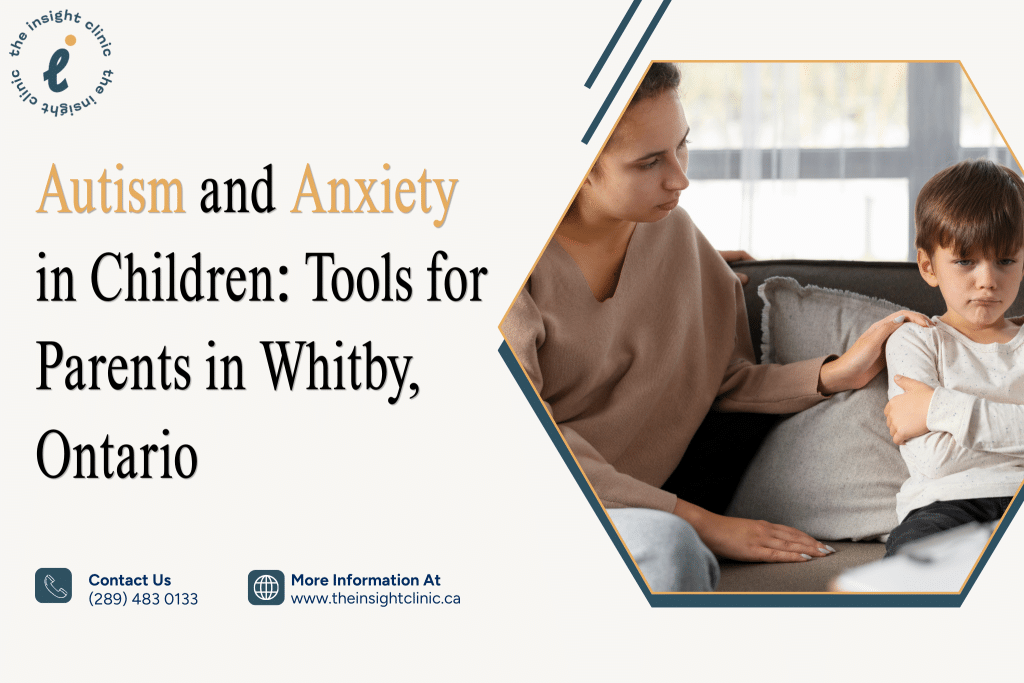
Some days may feel harder than they used to.
Your child may already have a diagnosis of autism, and you’ve worked hard to understand their routines, sensory needs, and communication style. But lately, something feels different. Reactions seem bigger, worries last longer, and transitions that once felt manageable now lead to distress.
You might find yourself wondering:
Is this behaviour?
Is it stress?
Or could it be anxiety alongside autism?
It’s an important distinction. While autism symptoms can include rigidity and sensory sensitivity, anxiety symptoms often add fear, avoidance, or physical distress. When an anxiety disorder develops alongside autism, everyday moments — school mornings, social plans, bedtime — can feel overwhelming.
Understanding how autism and anxiety interact can help you respond with greater clarity and support your child in managing anxiety while continuing to build on their strengths.
In this article, we’ll explore practical tools parents can use to recognize anxiety symptoms, support their child at home, and understand when professional help may be beneficial.
How to Talk to Your Child About Anxiety
Many children with autism think concretely. Telling them “Don’t worry” rarely helps.
Instead, try:
- “Your brain is trying to protect you right now.”
- “That feeling in your stomach is anxiety — it feels uncomfortable, but it isn’t dangerous.”
- “Let’s figure out what your worry is predicting.”
Externalizing anxiety can be helpful. Some therapists refer to anxiety as:
- “The Worry Monster”
- “The Alarm System”
- “The False Fire Drill”
In psychotherapy, children may learn to separate themselves from anxiety:
“I am not anxious. I am noticing anxiety.”
That shift builds psychological flexibility — a key goal when treating anxiety disorder in children with autism.
How Anxiety Symptoms Appear in Children with Autism
Anxiety doesn’t always look like fear.
In children with autism, anxiety symptoms often show up as:
- Repeated reassurance-seeking
- Meltdowns after small schedule changes
- School refusal or stomach aches before school
- Trouble falling asleep
- Increased rigidity or repetitive behaviours
- Avoidance of social situations
To outsiders, it may look like “behaviour.”
To you, it feels like something deeper.
And often, it is.
Children on the autism spectrum already work hard to manage sensory input, social expectations, and unpredictability. When an anxiety disorder is layered on top, even small stressors can overwhelm their nervous system.
This isn’t defiance.
It isn’t manipulation.
It’s dysregulation.
Recognizing anxiety symptoms early changes how you respond — and how supported your child feels.
Why Autism and Anxiety Disorder Often Occur Together
Research shows that children with autism are significantly more likely to develop an anxiety disorder than neurotypical peers.
Why?
Because the world can feel:
- Loud
- Fast
- Socially confusing
- Unpredictable
For a child with autism, unpredictability alone can trigger anxiety symptoms. Add school expectations, peer dynamics, and sensory overload, and anxiety can escalate quickly.
Sometimes parents tell us at The Insight Clinic:
“My child used to manage transitions. Now everything feels like a crisis.”
That shift is often a sign that anxiety disorder symptoms are intensifying — not that parenting has suddenly stopped working.
What Anxiety Feels Like in the Body for Children with Autism
One helpful shift for parents is understanding that anxiety isn’t just a thought pattern — it’s a nervous system response.
For many children with autism, anxiety symptoms feel very physical. You might notice:
- Stomach aches before school
- Headaches with no clear medical cause
- Racing heart or flushed face
- Shaking or sweating
- Exhaustion after social interaction
Sometimes children can explain what they’re feeling. Often, they can’t.
That’s because anxiety activates the body’s alarm system. For children on the autism spectrum — especially those with sensory sensitivities — that alarm can feel especially intense. What seems like a small stressor to others may feel overwhelming to them.
In psychotherapy at The Insight Clinic, one early goal is helping children recognize these body signals. Therapists may use visual explanations, body maps, or simple language to help children understand what’s happening.
When a child begins to recognize, “This is anxiety — not danger,” they often gain a small but meaningful sense of control, which can help reduce anxiety symptoms over time.
Autism and Anxiety: Common Triggers in Children
Anxiety can sometimes seem to appear suddenly, but there is often a trigger behind it.
Children with autism may experience everyday situations as more intense or unpredictable, which can activate anxiety symptoms more quickly than parents expect.
Common triggers include:
- Changes in routine
Even small disruptions — like a substitute teacher or cancelled plan — can feel destabilizing. - Sensory overload
Loud environments, bright lights, crowded spaces, or strong smells can overwhelm the nervous system. - Social uncertainty
Situations like group work, playground interactions, or parties may increase stress when expectations are unclear. - Transitions
Moving from one activity to another without preparation can increase anxiety.
Identifying these triggers is often an important first step. Through psychotherapy, ABA therapy, and parent coaching, families can learn strategies to reduce stress and build coping skills.
At The Insight Clinic, understanding a child’s triggers helps guide individualized support, and when needed, a psychiatrist assessment may help determine whether an anxiety disorder requires additional treatment.
When Should You Consider an Autism Test or Professional Assessment?
If your child has not yet been formally diagnosed, you may wonder whether it’s time for an autism test.
An autism test is typically part of a broader developmental assessment process. It looks at communication, social interaction, sensory patterns, and behaviour over time — not just one checklist.
If your child already has an autism diagnosis but anxiety symptoms are increasing, a deeper evaluation can help clarify:
- Is this typical stress?
- Is this a developing anxiety disorder?
- What supports would be most helpful?
At The Insight Clinic in Whitby, families often begin with a comprehensive assessment to understand both autism symptoms and anxiety symptoms together. In some cases, this may include psychoeducational assessment to understand learning profiles, or a psychiatrist assessment if anxiety disorder symptoms appear clinically significant.
Assessment is not about labeling.
It’s about clarity.
And clarity reduces guesswork.
What Actually Helps at Home?
Before we even talk about therapy, let’s talk about what you can do this week.
Children with autism and anxiety do best when the environment feels predictable.
Try:
- Visual schedules instead of verbal reminders
- Preparing for transitions well in advance
- Practicing new situations before they happen
- Creating a small “calm space” at home
- Naming feelings without judgment
For example:
Instead of saying, “You’re overreacting,” try:
“I can see this feels really big right now.”
That shift lowers anxiety symptoms more than most parents realize.
But sometimes home strategies aren’t enough — especially when an anxiety disorder is interfering with school, sleep, or friendships.
How ABA Therapy Can Support Children with Autism and Anxiety
When parents hear about ABA therapy (Applied Behaviour Analysis), they often think it is only used to teach skills related to autism symptoms. While ABA therapy is widely known for helping children develop communication, learning, and independence skills, it can also play an important role when anxiety symptoms are present.
Children with autism sometimes experience anxiety because situations feel unpredictable or overwhelming. ABA therapy helps break these situations into smaller, manageable steps so children can learn how to approach them gradually and successfully.
For example, a child who feels anxious about going to school might work with an ABA therapist to:
Struggling to Relax or Switch Off?
Learn how anxiety might be affecting your nervous system and daily life.
- Practice morning routines step by step
- Build tolerance for transitions
- Learn coping strategies for stressful moments
- Increase confidence in new environments
Rather than forcing a child into situations that feel overwhelming, ABA therapy focuses on structured learning and gradual progress. Over time, children begin to feel more capable and less controlled by anxiety.
At The Insight Clinic, ABA therapy is often coordinated with other services such as psychotherapy, parent training and coaching , and psychoeducational assessment. When anxiety disorder symptoms are present, collaboration between therapists, parents, and sometimes a psychiatrist assessment helps ensure that support strategies are consistent across home, school, and therapy settings.
For many families, ABA therapy becomes one part of a broader support plan that helps children with autism build practical skills, reduce anxiety, and navigate daily challenges with greater confidence.
How Psychotherapy Helps Children with Autism and Anxiety
When anxiety disorder symptoms persist, structured psychotherapy can make a meaningful difference.
Not generic therapy.
Adapted therapy.
Children with autism benefit from psychotherapy that is concrete, visual, and tailored to their communication style.
At The Insight Clinic, psychotherapy may include:
- Adapted Cognitive Behavioural Therapy (CBT) for anxiety disorder
- Play-based approaches
- Emotion regulation work
- Parent training and coaching to reinforce strategies at home
CBT, when modified appropriately, can help children:
- Recognize anxious thoughts
- Practice flexible thinking
- Gradually face feared situations
- Build regulation skills
Therapy isn’t about changing who your child is.
It’s about helping them feel safer in their world.
What Does Therapy for Autism and Anxiety Look Like Week to Week?
Many parents wonder what actually happens in therapy.
Is it just talking? Will my child sit still the whole time? What if they don’t enjoy it?
For children with autism and an anxiety disorder, therapy is usually active and structured.
At The Insight Clinic, psychotherapy sessions may include:
- Drawing “worry maps” to understand anxiety
- Practicing small exposure steps
- Role-playing social situations
- Creating visual coping tools
- Learning concrete breathing and regulation strategies
For example, if a child avoids birthday parties because of anxiety symptoms, therapy might involve breaking the situation into smaller steps and practicing them gradually.
Children aren’t pushed into overwhelming situations. Instead, therapists help them build confidence step by step.
Parent training and coaching is often part of the process, since consistent responses at home can significantly reduce anxiety patterns.
Therapy tends to work best when children feel safe, goals are realistic, and support is coordinated between parents, therapists, and when possible, the school environment.
When Should Parents Consider a Psychiatrist Assessment for Anxiety?
Many parents feel hesitant when medication enters the conversation — and that’s completely understandable.
There is no medication that treats autism itself. However, when a diagnosable anxiety disorder is present, a psychiatrist assessment can help determine whether anxiety medication might be appropriate.
During an assessment, the psychiatrist considers the severity of anxiety symptoms, their impact on daily functioning, medical history, and potential risks and benefits.
Medication is not a first-line solution and never replaces psychotherapy. But in some cases, anxiety medication can reduce symptom intensity enough for a child to participate more fully in therapy and school. If used, it should always be carefully monitored and integrated into a broader treatment plan.
How Anxiety Can Affect Learning and School Participation
Anxiety disorder symptoms often become most visible at school.
You might notice:
- Refusing to enter the building
- Crying before presentations
- Avoiding group work
- Excessive perfectionism
- Frequent visits to the school office
- Difficulty focusing despite strong ability
Sometimes these behaviours are assumed to be academic or behavioural, but often anxiety symptoms are the underlying cause.
When anxiety begins to interfere with learning, a psychoeducational assessment can provide clarity. It can help identify whether attention, processing speed, executive functioning, or a learning difference is contributing to the stress.
At The Insight Clinic, these assessments help families advocate for appropriate school accommodations, which can often reduce anxiety more effectively than repeated discipline. In some cases, a psychiatrist assessment may also be recommended if anxiety disorder symptoms significantly affect school attendance or daily functioning.
The goal is not to label a child — it’s to better understand what they need to succeed.
If You’re Feeling Tired, That Makes Sense
Supporting a child with autism and anxiety can feel relentless.
You prepare.
You anticipate.
You advocate.
You research.
Some days you’ll feel confident.
Other days you’ll question everything.
That’s normal.
At The Insight Clinic, we often remind parents:
Supporting your child includes supporting yourself.
Parent training and coaching and psychotherapy for caregivers can provide structure, emotional support, and practical tools. You don’t have to carry this alone.
Why a Coordinated Approach Matters
When autism and anxiety overlap, families sometimes end up piecing together support from multiple places:
- One therapist here
- A school plan there
- A pediatrician appointment elsewhere
It can feel fragmented.
A coordinated plan helps ensure everyone is working toward the same goals.
At The Insight Clinic, support may include:
- Individual psychotherapy tailored for autism and anxiety disorder
- Parent training and coaching
- Psychoeducational assessment
- School consultation
- Psychiatrist assessment when anxiety medication is being considered
If anxiety disorder symptoms are severe — for example, preventing school attendance or sleep — a psychiatrist assessment can help determine whether anxiety medication is appropriate. Medication, when used, is carefully monitored and typically combined with psychotherapy.
No single intervention works alone.
When therapy, home strategies, school supports, and (if needed) medical consultation align, children often feel safer and more understood.
Finding the Right Support for Autism and Anxiety
If your child is showing increasing anxiety symptoms alongside autism symptoms, early support can prevent patterns from becoming entrenched.
At The Insight Clinic in Whitby, Ontario, families can explore:
- Autism test and developmental assessment
- Psychoeducational assessment
- Child-focused psychotherapy
- Parent training and coaching
- Psychiatrist assessment for anxiety disorder
- Consultation regarding anxiety medication when appropriate
- ABA Therapy
The goal is not to “fix” your child.
It’s to understand them.
Support them.
And help them thrive with who they already are.
If you’d like to talk through your concerns, you can contact The Insight Clinic to schedule a consultation and explore next steps tailored to your child’s needs.
Frequently Asked Questions about Autism and Anxiety
How common is anxiety in children with autism?
Anxiety is very common among children with autism. Research suggests that many autistic children experience significant anxiety symptoms, and some may develop a diagnosable anxiety disorder. Anxiety may appear as worry, avoidance, sleep difficulties, or physical complaints such as stomach aches. When anxiety symptoms begin affecting daily life, professional support such as psychotherapy, behavioural interventions, or assessment can help identify effective strategies.
What are the most common anxiety symptoms in autistic children?
Common anxiety symptoms in children with autism may include frequent reassurance-seeking, resistance to changes in routine, school avoidance, difficulty sleeping, physical complaints like headaches or stomach aches, and increased repetitive behaviours. Because autism symptoms and anxiety can overlap, it can sometimes be difficult for parents to distinguish between them without professional guidance.
How can I tell if my child’s behaviour is autism or anxiety?
Both autism symptoms and anxiety symptoms can involve rigidity, withdrawal, or emotional distress. However, anxiety often includes fear, anticipation of negative outcomes, and physical signs such as tension or stomach aches. If behaviours suddenly intensify or appear in specific situations, it may suggest an anxiety disorder alongside autism. A professional evaluation, such as a developmental or psychoeducational assessment, can help clarify the underlying factors.
When should a child receive an autism test or assessment?
Parents may consider an autism test or developmental assessment if their child shows persistent differences in communication, social interaction, sensory processing, or behaviour. Early assessment helps identify autism symptoms, understand a child’s strengths and challenges, and guide appropriate support such as psychotherapy, educational planning, or behavioural interventions.
How does psychotherapy help children with autism and anxiety?
Psychotherapy can help children understand and manage anxiety in structured and developmentally appropriate ways. Adapted approaches such as Cognitive Behavioural Therapy (CBT) teach children to recognize anxious thoughts, develop coping skills, and gradually face situations that trigger anxiety. Therapy may also include parent coaching to reinforce strategies at home.
What role does ABA therapy play in supporting children with autism?
ABA therapy (Applied Behaviour Analysis) focuses on building practical skills and reducing behaviours that interfere with daily functioning. For children with autism who experience anxiety symptoms, ABA therapy can help break challenging situations into manageable steps, build tolerance for transitions, and reinforce coping behaviours. It is often most effective when combined with other supports such as psychotherapy or school accommodations.
When should parents consider a psychiatrist assessment for anxiety?
If anxiety disorder symptoms significantly affect a child’s daily functioning — such as preventing school attendance, disrupting sleep, or causing severe distress — a psychiatrist assessment may be recommended. A psychiatrist can evaluate the severity of anxiety symptoms and determine whether additional treatments, including anxiety medication, may be appropriate alongside therapy.
Can anxiety medication help children with autism?
There is no medication that treats autism itself. However, when a clinically significant anxiety disorder is present, anxiety medication may sometimes help reduce symptom intensity. This decision should always be made carefully through a psychiatrist assessment, and medication is typically used alongside psychotherapy and behavioural support rather than as a standalone treatment.

Clinical Review by Gretchen Savery
Gretchen Savery, Registered Psychotherapist (Qualifying), supports The Insight Clinic’s blog review and approval process by helping ensure content is accurate, thoughtful, and aligned with professional standards, including CRPO expectations around ethical communication, client confidentiality, and responsible mental health education. Her role helps strengthen the quality, clarity, and trustworthiness of the clinic’s educational resources.

Blog Writer Bio — Dr. Betsy Bautista
Dr. Betsy Bautista is an experienced medical doctor and mental health counsellor contributing educational content for The Insight Clinic. With a strong background in supporting adults and seniors, she brings clinical insight, compassion, and a deep understanding of emotional health, aging, grief, chronic illness, family relationships, anxiety, depression, and life transitions. Her writing helps make complex mental health topics easier to understand while supporting The Insight Clinic’s commitment to thoughtful, accessible, and evidence-informed education.