Table of Contents
- Why Mental Health and Money Are More Connected Than We Think
- What Mental Health Represents in Daily Life
- What Does Financial Well-Being Really Mean for Parents and Families?
- How Does Mental Health Influence Financial Behaviour?
- The Cycle Between Financial Strain and Mental Health Challenges
- How Your Emotional State Influences Financial Decision-Making
- Psychological Barriers to Financial Health
- Strengthening Financial Well-Being Through Mental Wellness
- The Role of Professional Support for Individuals and Families in Whitby, Ontario
- Building a Healthier Relationship With Money
- Conclusion
Why Mental Health and Money Are More Connected Than We Think
Daily stress can affect almost every decision—especially financial ones. Between work, school schedules, commitments, extracurriculars, and the busyness of life, it’s easy to assume financial challenges are always about numbers.
But the truth is this:
Your mental health affects the clarity, confidence, and consistency behind every financial choice you make.
Financial decisions happen in real-life moments—when you’re stressed, tired, overwhelmed, or stretched between responsibilities. When your emotional wellness is supported, money decisions feel manageable. When your mental health is strained, financial tasks can feel heavier than they really are.
This blog is designed to help you understand this connection with compassion and clarity.
What Mental Health Represents in Daily Life
Your mental health includes your:
- emotional well-being
- psychological functioning
- social connection
- stress response
- ability to think clearly
- ability to regulate your emotions
When your mental health feels balanced, you may find it easier to:
- think clearly
- regulate emotions
- maintain perspective
- manage impulses
- cope with unexpected stress
- keep daily habits on track
These aren’t just emotional skills—they’re the same skills you rely on for financial stability.
But when anxiety, depression, chronic stress, trauma, or burnout show up in your life (as they often do for families navigating busy schedules), even simple tasks like paying a bill or opening a statement can feel overwhelming.
This isn’t carelessness—it’s your nervous system trying to cope.
What Does Financial Well-Being Really Mean for Parents and Families?
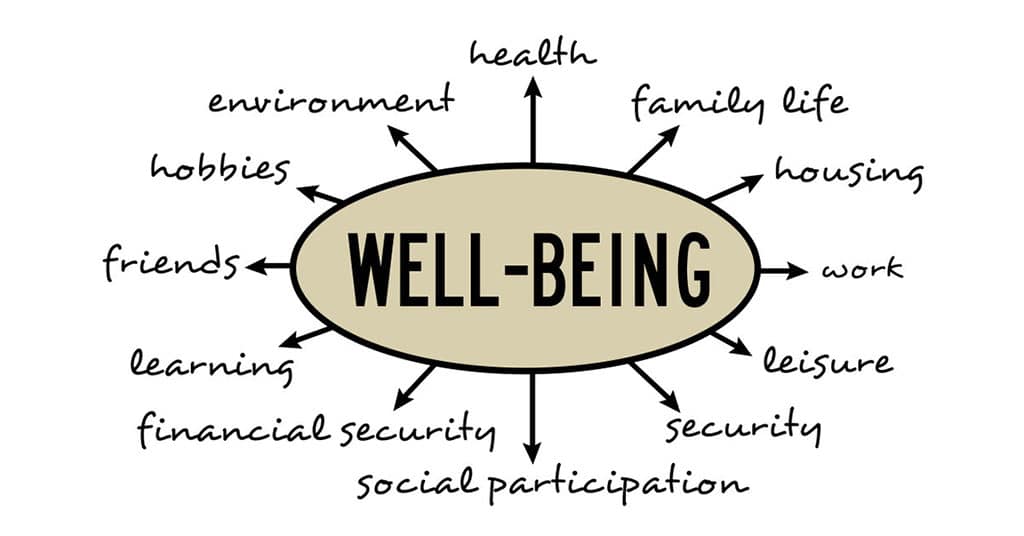
Financial well-being isn’t just about income. It includes:
- a sense of stability
- confidence in meeting obligations
- manageable debt
- some room for emergencies
- the ability to plan for the future
- feeling capable of handling responsibilities
Two families with identical financial circumstances can have completely different experiences of financial stress depending on their emotional state. That’s why supporting your mental health is such a powerful part of financial well-being.
When you feel grounded, you think more clearly, pause before reacting, and make decisions that align with your long-term goals.
How Does Mental Health Influence Financial Behaviour?
Your brain’s planning, decision-making, impulse control, and problem-solving centres are all affected by your emotional state. This means mental health can strongly influence money-related behaviours.
How does anxiety contribute to financial avoidance in daily life?
Anxiety triggers your body’s fight-or-flight response. When bills, budgeting, or financial tasks feel stressful, your nervous system may try to protect you through avoidance.
This can look like:
- leaving bills unopened
- putting off phone calls
- avoiding banking apps
- delaying decisions
- procrastinating at the moment you feel overwhelmed
Thinking “I know what I need to do—I just can’t make myself do it.” That’s anxiety, not irresponsibility. Avoidance temporarily reduces anxiety, but over time it increases financial stress, creating a cycle that feels hard to break.
Why does depression make financial organization feel impossible?
Depression affects energy, focus, and motivation. Even simple tasks—like reviewing statements, tracking expenses, or making payment plans—can feel exhausting.
This often leads to:
- late fees
- disorganization
- missed opportunities
- difficulty planning ahead
It’s not that you don’t care. Depression reduces your capacity, not your intelligence or your desire.
How does stress lead to impulsive spending?
Stress pushes your brain into short-term mode. The part of your brain responsible for long-term thinking (the prefrontal cortex) becomes less active, while emotional regions become more reactive.
This can lead to:
- comfort spending
- quick purchases for relief
- impulsive financial decisions
- choosing short-term comfort over long-term goals
These behaviours are coping strategies—not failures.
How does trauma shape lifelong money patterns?
Families and individuls who have experienced trauma often carry emotional patterns related to:
- safety
- scarcity
- distrust
- self-worth
- fear of loss
Trauma might lead to:
- overspending to feel in control
- hoarding money for fear of instability
- difficulty trusting financial professionals
- avoiding conversations about money
These patterns are emotional responses to past experiences.
The Cycle Between Financial Strain and Mental Health Challenges
Financial strain increases emotional stress, and emotional stress makes financial tasks harder. Many families across Ontario experience this cycle.
Why does debt create such a heavy psychological burden?
Debt isn’t just financial—it’s emotional. It often leads to:
- chronic anxiety
- irritability
- sleep problems
- guilt and shame
- fear of opening mail
- avoidance
- tension within relationships
Debt can feel like a constant, quiet background stressor that affects every part of your day.
How does job instability or income uncertainty affect mental health?
Job loss, reduced hours, health-related work limitations, or unpredictable income can create intense emotional strain.
Does Worry Feel Constant Lately?
This short check-in can help you better understand your anxiety patterns.
People often describe:
- constant worry about the future
- exhaustion
- sleep disruptions
- difficulty concentrating
- emotional burnout
This exhaustion makes planning or budgeting even more difficult.
How does uncertainty affect family decision-making?
Even when things look “stable,” uncertainty can make families feel:
- anxious
- overwhelmed
- hypervigilant
- unable to relax
Uncertainty drains cognitive energy. Over time, this contributes to burnout, depression, and decision fatigue.
Understanding this loop is the first step toward breaking it.
How Your Emotional State Influences Financial Decision-Making
Financial decisions are rarely logical alone. Most are emotional.
What happens to your decision-making when you feel overwhelmed?
When you’re overwhelmed, your brain struggles to:
- pause before acting
- compare options
- read details
- evaluate risks
- think long-term
This can lead to reactive decisions rather than grounded ones.
How do cognitive distortions(thinking errors) impact your financial choices?
Stress, depression, or anxiety can distort your thinking. You might:
- underestimate your abilities
- catastrophize outcomes
- assume things are worse than they are
- feel incapable of planning
- blame yourself for past mistakes
These distortions influence money behaviours—often without you realizing it.
Why is long-term planning difficult when you’re mentally overwhelmed?
Planning requires:
- attention
- organization
- emotional regulation
- patience
- energy
When you’re exhausted or stressed, your brain defaults to short-term thinking. This is why budgeting, retirement planning, or even organizing bills can feel impossible sometimes.
Psychological Barriers to Financial Health
Everyone has emotional patterns related to money. These patterns usually come from:
- childhood experiences
- cultural messages
- trauma
- family habits
- financial stress in the past
Common barriers include:
- fear of failure
- shame
- difficulty asking for help
- perfectionism
- distrust of financial institutions
- low self-worth
These barriers aren’t signs of incompetence—they’re signs of emotional overload.
Strengthening Financial Well-Being Through Mental Wellness
Mental health support can improve:
- clarity of thinking
- impulse control
- emotional regulation
- resilience during stress
- ability to plan ahead
- confidence in daily tasks
This is why therapies such as CBT, EMDR, Neurofeedback and Art Therapy, can help families make clearer decisions—not because therapists give financial advice, but because therapy supports the emotional systems you rely on to make healthy choices.
Therapy does not guarantee financial success, but improving emotional stability often helps families make decisions that align better with their goals.
The Role of Professional Support for Individuals and Families in Whitby, Ontario
Mental health professionals do not provide financial advice.
But therapy can help you understand:
- how stress affects your spending
- why avoidance shows up around bills
- how your past influences your financial habits
- how to break reactive cycles
- how to build healthier coping strategies
- how to regulate your emotions more consistently
Therapists at The Insight Clinic offer supports such as:
- CBT
- EMDR
- Art Therapy
- Neurofeedback
- Autism assessment & psychoeducational assessments
- Psychiatrist Collaboration
Clients often find that when they feel emotionally grounded, they make clearer, calmer financial decisions.
Building a Healthier Relationship With Money
Families often find it helpful to:
- identify emotional triggers
- create small, manageable steps
- use grounding or mindfulness strategies
- break down financial tasks
- set gentle, realistic expectations
- ask for support when overwhelmed
- learn patterns without judgement
When your mind is calm, your choices become clearer.
Strengthening your mental health creates the emotional space needed for healthier financial behaviours—not through willpower, but through support and self-understanding.
Conclusion: You Deserve Support That Helps You Feel Grounded
Mental health plays a central role in how you manage money, respond to stress, and make decisions for your family. When your emotional wellness is supported, financial clarity becomes more accessible.
If financial stress, anxiety, or burnout are affecting your mental well-being—or if emotional patterns are making financial decisions harder—the clinicians at The Insight Clinic in Whitby are here to support you.
Our team supports families across Whitby, Oshawa, Ajax and the entire Durham Region. We offer evidence-informed therapy and assessment services designed to strengthen emotional wellness and improve daily functioning.
Feeling overwhelmed by stress, anxiety, or emotional patterns can make everyday decisions feel harder. The Insight Clinic’s Whitby therapists are here to guide you with compassionate, evidence-based support. Take the first step at your own pace—Schedule a free Consultation to explore how therapy can help you regain balance and clarity in your daily life.