Table of Contents
Introduction: Why People Worldwide Are Exploring CBT
Across the world, and in communities like Whitby and Durham Region, people are asking about cognitive behavioral therapy (CBT). Anxiety, depression, sleep difficulties, trauma, and stress affect millions, and while medications can be helpful, they don’t always address the underlying thought patterns driving these challenges. Some people notice side effects, while others find symptoms return once medication stops.
That’s why interest in structured, evidence-based therapies like CBT has grown. Rather than masking symptoms, cognitive behavioral therapy helps people learn practical skills to reshape unhelpful thought patterns and adopt healthier behaviors. It’s based on the principle that our thoughts, feelings, and actions are interconnected, and by working with one, we can influence the others.
This guide explains what CBT is, how it works, the science behind it, conditions it may help, and what benefits you can expect. For readers in Ontario, it’s worth noting that The Insight Clinic in Whitby provides CBT as part of its psychotherapy and mental health services, delivered by regulated practitioners in line with Ontario’s standards.
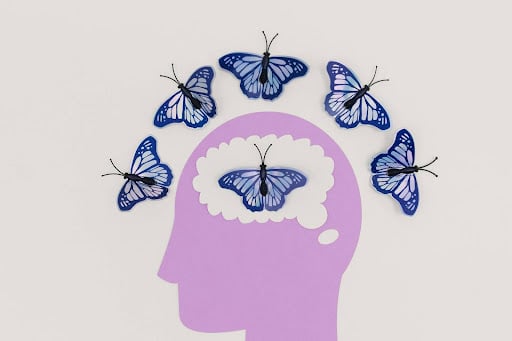
What Is Cognitive Behavioral Therapy?
Cognitive behavioral therapy is a type of talk therapy that focuses on the present. While it may occasionally touch on past experiences, the main goal is to help you understand how your current thoughts and behaviors contribute to the challenges you’re facing.
Many people wonder: What exactly does CBT help with?
It’s often used for anxiety, depression, stress, trauma-related symptoms, insomnia, and other concerns where negative thinking and coping habits play a role. But even if you’re not in crisis, CBT can help you build tools to navigate life’s ups and downs more effectively.
CBT is a collaborative process. You and your therapist work together to identify unhelpful thoughts, like “I’ll never succeed” or “I can’t handle this”, and test out more balanced ways of thinking. Over time, you’ll practice new responses and coping strategies until they begin to feel more natural.
You don’t need to worry about being “good at therapy” to start CBT. The approach is practical and focused. And while CBT doesn’t ignore emotion, it provides clear steps that can help you feel more in control of your mental health.
The Science Behind CBT: Why It Works
One of the most compelling aspects of CBT is how well-researched it is. Over decades, countless studies have shown that CBT is effective across a wide range of mental health conditions.
This raises an important question: Is CBT just as effective as medication?
For many people with anxiety or depression, the answer is yes. CBT can be equally effective, sometimes more so, especially when people actively practice the skills they learn. It can also be used alongside medication, depending on your needs and preferences.
CBT works by tapping into neuroplasticity, the brain’s ability to rewire itself through repeated practice. Just as physical training helps muscles grow, CBT helps your brain strengthen more helpful ways of thinking.
You may find yourself asking, “What if I’ve already tried therapy and it didn’t help?”
That’s a fair question. Not every therapy works the same for every person. But CBT’s structure, goal setting, skill-building, and real-world practice often makes it feel more action-oriented and tangible. Even those who’ve had less success with past therapies sometimes find CBT to be a better fit.
How Does CBT Work in Practice?
CBT begins with an assessment. Your therapist will ask about what’s bringing you in, how long it’s been going on, and what you’d like to change. From there, you’ll work together to set goals and build a plan that fits your needs.
People often ask, “What does a typical CBT session look like?”
Sessions usually last 45–60 minutes and follow a consistent structure. You’ll check in, discuss recent experiences, learn or review a coping strategy, and make a plan for the week ahead. Sessions are available in-person or virtually, depending on your preference.
Some common CBT techniques include:
- Thought records — Writing down thoughts to spot patterns
- Cognitive restructuring — Challenging and replacing distorted thinking
- Behavioral experiments — Trying new responses to see what happens
- Exposure exercises — Gradually facing fears in a safe, structured way
- Problem-solving — Breaking down overwhelming situations into smaller steps
You may also receive brief exercises to try between sessions. This isn’t “homework” in the school sense, it’s more about getting real-life practice with the skills you’re learning.
It’s normal to wonder: “What if I can’t keep up with the exercises?”
That ‘s okay. Your therapist will work with you at your pace. If something feels like too much, they’ll help you adjust the plan so it’s manageable and effective.
Feeling Anxious or On Edge?
Explore how anxiety may be showing up for you and discover ways to regain calm.
What Conditions Might CBT Help?
CBT is known for its versatility. While it’s often associated with anxiety disorders and depression, it’s also used in many other situations.
You might be surprised to learn that CBT is also used for:
- Post-traumatic stress disorder (PTSD) – with a focus on safety, trust, and regaining control
- Obsessive-compulsive disorder (OCD) – often using a specialized form called Exposure and Response Prevention (ERP)
- Eating disorders – addressing distorted body image and beliefs.
- Substance use and relapse prevention – identifying triggers and building coping skills.
- Sleep challenges – including insomnia, where CBT-I (CBT for Insomnia) is considered a first-line treatment for insomnia, via CBT-I, a specialized sleep-focused program.
- Chronic pain and health conditions – supporting emotional adjustment.
One common question people ask is, “Can CBT help with trauma?”
Yes, when delivered by a trained therapist, CBT can support trauma recovery. It helps individuals process memories safely, reduce emotional reactivity, and regain a sense of stability and control.
CBT is also used with children, teens, adults, and older adults, making it one of the most adaptable therapies out there.
Benefits of CBT: What Makes It a Popular Choice?
People choose CBT for many reasons, and one of the most common is that it provides tools they can continue using long after therapy ends.
You may wonder, “How long does CBT take to work?”
Many clients notice meaningful progress within 8 to 20 sessions. However, the timeline depends on your goals, the complexity of the concern, and how much you’re able to engage with the work between sessions.
Other benefits include:
- Short-term, goal-focused care – You’ll know what you’re working on each week
- Active skill-building – Like emotional regulation, assertive communication, or stress management
- Medication optional – CBT can be used on its own or in combination with medications
- Long-lasting results – Many people continue using CBT tools on their own
- Wide accessibility – Effective in one-on-one, group, and virtual settings
Sometimes people ask, “Will CBT help me even if I’m not in crisis?”
Yes, CBT is often helpful for building resilience, preventing burnout, and managing stress even when things aren’t overwhelming. You don’t have to wait until things feel unmanageable to benefit.
And if you’re wondering, “Can CBT help improve my sleep or relationships?”
Absolutely. By helping you regulate your thoughts and emotions, CBT can lead to better communication, healthier boundaries, and more restful sleep, especially if worry or rumination is keeping you up at night.
Is CBT Safe?
Yes, CBT is widely considered safe and well-tolerated when provided by a trained professional. Because it doesn’t involve medication or physical interventions, physical side effects are not a concern.
Emotionally, CBT can sometimes feel challenging, especially when you’re asked to face difficult thoughts or situations. But this is part of the growth process, and your therapist will guide the pace to ensure you feel supported along the way.
Some people wonder, “Will I feel worse before I feel better?”
It’s possible to feel discomfort as you begin exploring new emotional territory. But that’s often a sign you’re doing important work, and your therapist will help you move through it at a pace that’s right for you.
Ready to Explore CBT?
Cognitive behavioral therapy is one of the most trusted, research-supported therapies available today. It offers a structured, time-limited, and collaborative approach to helping people improve their mental well-being and build resilience for the future.
If you live in Whitby or the Durham Region, The Insight Clinic offers CBT and other therapy options provided by trained, compassionate professionals. Whether you’re dealing with anxiety, stress, or just looking for new ways to support your mental health, our team is here to help you explore what might work best for you.
You don’t have to figure it all out alone.
Book a free 15-minute consultation today to learn more about CBT and how it might support your journey toward feeling better.