
Neurofeedback Therapy
A Personalized Brain-Training Program Built Around You
Evidence-based, assessment-driven, and guided by licensed clinicians — to help focus, mood, sleep, resilience, and emotional regulation.
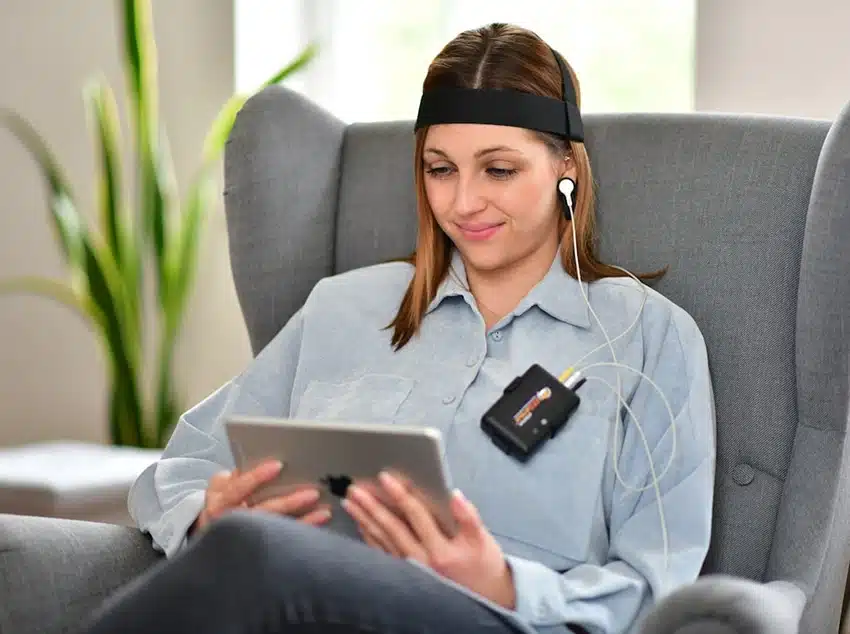
Gently Retrain the Brain — With Guidance from Clinicians You Trust
Neurofeedback is a safe, non-invasive brain-training method that helps teach the brain to self-regulate again. Over time, many clients report better focus, calmer moods, improved sleep, and greater resilience.
- Offered in-office only — guided by trained clinicians.
- Customized program based on assessment and goals.
Areas Neurofeedback May Support
- Anxiety, worry and emotional overwhelm
- Stress, burnout and mental fatigue
- Trauma or difficult emotional regulation
- Attention difficulties or impulsivity
- Headaches, migraines or brain fog
- Sleep problems
- Post-concussion symptoms
- Cognitive changes with aging
It works best as part of a care plan that may include psychotherapy, lifestyle changes, or medical care when appropriate.
How Neurofeedback Works
Your brain constantly produces electrical activity. Sometimes, stress, injuries, or long-term habits create patterns that keep you stuck.
Neurofeedback helps the brain learn more balanced patterns through real-time feedback.
Clinical assessment & goal setting
We review your history, symptoms, medications, and expectations.
Personalized brain-training plan
Your clinician selects the safest starting protocol.
Regular in-office sessions
Most clients attend 2–3 sessions per week for 8–12 weeks.
Progress check-ins
We adjust gently, based on clinical review and your feedback.
Neurofeedback does not add electricity or shock. It does not force changes — it supports learning.
Two Approaches We Offer
Traditional Neurofeedback
- Improved focus and concentration
- Emotional regulation
- Reduced anxiety
- Better sleep quality
- Long-term learning effects when sessions are consistent
Traditional neurofeedback is structured, gradual, and data-driven, and is often a good choice for children, teens, and adults who benefit from steady, predictable brain training.
LENS (Low Energy Neurofeedback System)
- Highly sensitive clients
- Concussion recovery support
- Trauma-affected nervous systems
- Headaches, fatigue and brain fog
Your clinician will help determine which approach is safest and most appropriate — sometimes combining approaches over time.
Your Personalized Program
We keep the program simple, supportive and structured.
Frequency Options
- 2 sessions per week
- 3 sessions per week
Typical Program Length
- 8–12 weeks (based on goals and progress)
What’s Included
- assessment & treatment plan
- In-office neurofeedback sessions
- Progress monitoring
- Coordination with your therapist or psychiatrist (if applicable)
- Discharge recommendations + optional maintenance plan
If at any point neurofeedback does not appear helpful, we discuss changes immediately – your safety and wellbeing guide every decision.
Is Neurofeedback Safe?
Yes — when administered by trained clinicians, neurofeedback is considered low-risk.
- Fatigue
- Mild headache
- Emotional sensitivity
- Temporary changes in sleep
- Uncontrolled seizures
- Recent brain surgery
- Active psychosis
- Substance intoxication
- Severe, unstable medical conditions
Frequently Asked Questions
How soon will I notice changes?
Do I have to stop medication?
Does it replace therapy?
Usually not. Neurofeedback works beautifully alongside psychotherapy, helping the brain settle so therapy becomes easier.
Is this covered by insurance?
What if it doesn’t work for me?
Ready to Explore Whether Neurofeedback Is Right for You?
- No pressure
- Evidence-informed
- Guided by experienced clinicians
Neurofeedback Subscription Pricing
Single Session Fee: $100/session
Sessions per Week
Recommended for faster results or intensive training
| Program Length | Total Sessions | Monthly Cost |
|---|---|---|
| 4 weeks | 12 | $1,080 |
| 8 weeks | 24 | $2,040 |
| 12 weeks | 36 | $2,880 |
Alternative: Pay weekly at $270/week (no discount), flexible scheduling.
Add-on / Optional Services
Service
- Progress review (extra session)
- Psychotherapy integration session
- Booster session after program
2. In-Home ABA Therapy
- Included every 4 weeks
- Billed separately at standard rate
- $150/session (6-session package → $540)
Notes for Patients:
- All sessions are in-office only, guided by a licensed clinician.
- Program length can be adjusted based on progress and goals.
- Discounts encourage full program commitment and reduce administrative overhead.
- Flexible payment options available: per-session, weekly, or monthly subscription.
FAQ
Is neurofeedback safe?
How long before I notice results?
With traditional neurofeedback people typically notice changes after about 600 minutes of training. With LENS neurofeedback people notice changes immediately right after session or after the second session
Will insurance cover it?
Neurofeedback is considered a somatic form of psychotherapy and is recognized by the CRPO. Receipts are issued as psychotherapy sessions. Please check with your insurance provider to confirm your psychotherapy coverage.
Do I need psychotherapy too?
Neurofeedback can be used as a stand-alone treatment; however, it often works best when paired with psychotherapy. It helps the brain settle and regulate, which can make therapy more effective and easier to engage in.
