Table of Contents
- How Has EMDR Therapy Evolved Into a Remote Option?
- What Is EMDR Therapy and How Does It Work?
- Why Can EMDR Work Effectively Online?
- How Is Remote EMDR Conducted at Home?
- What Tools and Techniques Are Used in Remote EMDR?
- Why Is Preparation Especially Important for Remote EMDR?
- What Is the Experience of Processing Trauma at Home?
- What Challenges Might Arise With Remote EMDR?
- Why EMDR Should Not Be Self-Administered
- Who Benefits Most From Remote EMDR?
- EMDR Therapy for Children: How It Supports Young Minds
- Conclusion
How Has EMDR Therapy Evolved Into a Remote Option?
The shift toward remote mental health care began long before the pandemic, but COVID-19 accelerated the transition dramatically. When in-person therapy became limited, clinicians across Canada — including those in Whitby, Oshawa, Ajax, Pickering, and the Durham Region — adapted quickly to ensure continuity of care.
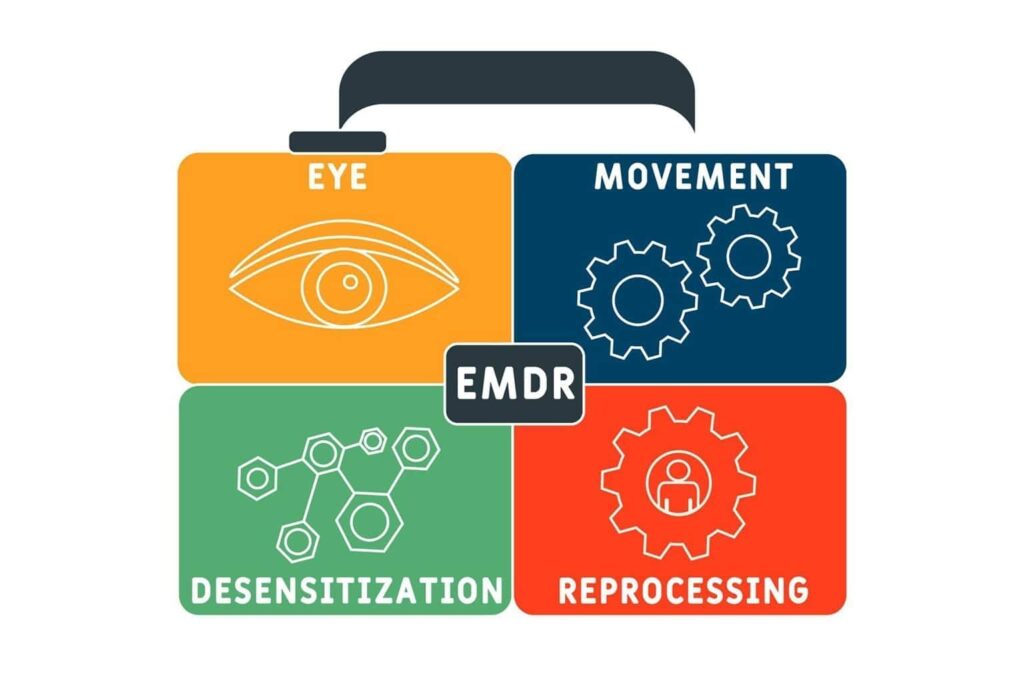
EMDR (Eye Movement Desensitization and Reprocessing), traditionally performed in-office, began being offered online. Over time, remote EMDR became more than a temporary solution. Many clients found online sessions removed barriers such as travel time, scheduling conflicts, or physical discomfort. Others preferred therapy in a safe, familiar home environment, which can support emotional regulation and grounding during sessions.
Remote EMDR isn’t a replacement for in-person therapy; it’s an alternative delivery method. When conducted by a trained EMDR therapist, online sessions follow the same eight-phase structure while adjusting for your environment, pacing, and comfort.
What Is EMDR Therapy and How Does It Work?
EMDR is an evidence-based, structured approach designed to help individuals process distressing memories, trauma, or emotionally charged experiences. Trauma can disrupt the brain’s ability to integrate memories naturally. EMDR helps the brain resume this process through bilateral stimulation — such as eye movements, auditory tones, or tapping — while focusing briefly on specific memories or sensations.
The therapy is divided into eight phases, including history-taking, preparation, trauma processing, and integration. These phases remain the framework whether EMDR is delivered in person or remotely.
Why it works: EMDR helps you process memories safely, reduce emotional intensity, and integrate experiences in a way that supports emotional wellness and daily functioning.
Why Can EMDR Work Effectively Online?
Many aspects of EMDR translate well to online settings. Trauma processing relies on a safe, structured environment and skilled therapist guidance, not physical proximity.
During remote sessions, therapists use video conferencing to provide real-time verbal cues, pacing, and emotional attunement. Digital tools like visual bilateral stimulation programs, auditory tones, or guided tapping replicate the in-office experience.
Benefits of Remote EMDR
- Sessions occur in a comfortable, familiar space
- Transportation, mobility, or scheduling barriers are reduced
- You can customize your environment for privacy and grounding
- Tools are adjustable to your sensory preferences
- Feeling safer at home may allow more open engagement in therapy
Remote EMDR has increased accessibility for many individuals in Ontario, Whitby and the Durham Region who may have otherwise faced obstacles attending in-person sessions.
How Is Remote EMDR Conducted at Home?
Remote EMDR happens through secure video conferencing with a trained EMDR therapist. Before trauma processing begins, your therapist ensures you have grounding skills, environmental setup, and technological support.
What Happens in a Typical Session?
- Check-in: Assess emotional stability
- Review coping skills and grounding tools
- Guided bilateral stimulation
- Trauma processing using the EMDR protocol
- Integration and emotional settling
- Closure and reflection
Digital alternatives (like visual cues, tapping, or auditory tones) replace physical tools such as buzzers or light bars. Therapists may encourage preparing your home space by:
- Choosing a quiet, private room
- Ensuring a stable internet connection
- Adjusting lighting and seating for comfort
- Having water, tissues, or grounding objects nearby
- Using headphones to enhance focus
These adjustments create a therapeutic environment that supports safe trauma processing.
What Tools and Techniques Are Used in Remote EMDR?
Remote EMDR employs varied bilateral stimulation methods:
- Digital visual stimulation (moving dots, therapist-guided hand movement via video)
- Auditory tones through headphones
- Self-administered tapping guided by the therapist
- Visual tracking exercises
- Guided grounding (breathing, sensory orientation)
Therapists may also incorporate imagery, mindfulness, resourcing exercises, emotional regulation techniques, and stabilization exercises. These methods help clients remain grounded and process trauma safely.
Why Is Preparation Especially Important for Remote EMDR?
Since therapists and clients are not in the same physical space, preparation is key. Before trauma processing, therapists develop coping strategies, grounding techniques, and emotional regulation skills with clients.
This ensures you can:
- Return to emotional stability if overwhelmed
- Access grounding tools easily
- Pace therapy to match your nervous system
- Feel safe exploring difficult memories
Sometimes, remote EMDR may not be suitable for clients experiencing severe dissociation, instability, or needing hands-on support, in which case in-person therapy is recommended.
What Is the Experience of Processing Trauma at Home?
Processing trauma at home means working in an environment you recognize and control, which can enhance feelings of safety and grounding.
Feeling Tense, Fearful, or Overwhelmed?
Take a moment to explore what your anxiety may be telling you.
Clients often notice:
- Memories feeling less emotionally charged
- Shifts in physical sensations
- Increased clarity and insights
- Reduced emotional reactivity
- Smoother day-to-day functioning
The therapist guides you throughout, checking in to keep you within your window of tolerance.
What Challenges Might Arise With Remote EMDR?
While remote EMDR is effective, some clients experience:
- Distractions from the home environment
- Technical issues (internet or devices)
- Emotional activation without physical therapist presence
- Grounding difficulties if surroundings trigger stress
Therapists work collaboratively to ensure session pacing, tools, and grounding strategies support safe and effective trauma processing.
Why EMDR Should Not Be Self-Administered
Attempting EMDR independently is not safe. Without therapist guidance, you may experience:
- Emotional flooding or overwhelming reactions
- Difficulty stabilizing afterward
- Resurfacing memories without integration
- Increased anxiety or confusion
Remote EMDR is safe when guided by trained professionals, following the full eight-phase EMDR protocol.
Who Benefits Most From Remote EMDR?
Remote EMDR may be ideal for individuals who:
- Have mobility limitations or health concerns
- Live far from trauma-trained clinicians
- Prefer privacy or reduced travel demands
- Feel safer or more grounded at home
- Parents or caregivers with limited scheduling flexibility
In the Durham Region, including Whitby, Oshawa, Ajax, and Pickering, remote EMDR expands access to trauma therapy for clients who previously struggled to attend in-person sessions.
EMDR Therapy for Children: How It Supports Young Minds
EMDR isn’t just for adults — it can be highly effective for children and teens who have experienced trauma, anxiety, or stressful life events. Children process emotions and memories differently than adults, and EMDR is tailored to their developmental needs, helping them feel safe while working through difficult experiences.
How EMDR works for kids
Therapists use the same eight-phase approach as with adults, but with adaptations for age, attention span, and emotional readiness. Sessions often include play-based elements, storytelling, or creative exercises alongside bilateral stimulation. This helps children stay engaged while processing memories in a way that feels natural and safe.
Creating a supportive environment at home
For remote EMDR, parents play an important role in helping their child feel secure. A quiet, private space, consistent routines, and access to comfort items — like a favorite blanket or calming toys — support effective sessions. The therapist guides both parent and child on how to use grounding techniques if emotions become intense.
Signs EMDR may help your child
Children may benefit from EMDR if they experience:
- Anxiety or panic related to past events
- Sleep disturbances, nightmares, or fears
- Emotional outbursts or mood swings
- Difficulty concentrating or regulating emotions
- Stress from life transitions, accidents, or bullying
Supporting lasting results
Parents often notice improvements not only in emotional regulation but also in daily functioning — better focus at school, calmer responses at home, and improved confidence. Therapists may also provide follow-up strategies for families to reinforce coping skills between sessions.
By making trauma processing accessible, safe, and age-appropriate, EMDR helps children build resilience, strengthen emotional regulation, and move toward a sense of security and well-being.
Conclusion: Start Your Healing From Home
Remote EMDR is a structured, evidence-based therapy that helps adults process trauma safely from the comfort of home. It preserves all the benefits of in-person EMDR while removing barriers such as travel, mobility, or scheduling conflicts.
Whether remote or in-person, EMDR aims to help you reduce distress, gain clarity, and move toward emotional wellness.
If you’re ready to explore EMDR — remotely or in-office — our trained clinicians at The Insight Clinic in Whitby are here to help. We support clients across Ontario, Whitby and the Durham Region, offering trauma therapy that fits your needs and schedule.
Book a free consultation today to see if remote EMDR is the right approach for your healing journey.